What is a Light-Year? Measuring the Cosmos
A light-year (symbol: ly) is a unit of distance, not time. It's one of the most common units astronomers use to measure the truly vast distances between objects in space, like stars, nebulae, and galaxies.
The definition is simple: A light-year is the total distance that a beam of light travels in one full year in the vacuum of space.
How Far is a Light-Year?
Light travels incredibly fast. In a vacuum, its speed is about 299,792 kilometers per second (or roughly 186,282 miles per second). To find the distance of one light-year, you multiply this speed by the number of seconds in one year (approximately 31.5 million seconds).
This gives you a truly enormous number:
- 1 Light-Year ≈ 9.461 trillion kilometers (9.461 x 10¹² km)
- 1 Light-Year ≈ 5.879 trillion miles (5.879 x 10¹² mi)
Why Do We Need Light-Years?
Using kilometers or miles to measure cosmic distances quickly becomes unmanageable. The numbers are just too big. For example, the closest star system to us, Alpha Centauri, is about 40,000,000,000,000 km away. Writing and saying that number is difficult.
Using light-years makes it much simpler. We can just say Alpha Centauri is about 4.24 light-years away. This is easier to understand and work with.
Examples of Cosmic Distances:
- The distance from the Sun to Earth is only 8.3 light-minutes.
- The diameter of our Milky Way galaxy is about 100,000 light-years across.
- The nearest major galaxy to us, the Andromeda Galaxy, is about 2.5 million light-years away.
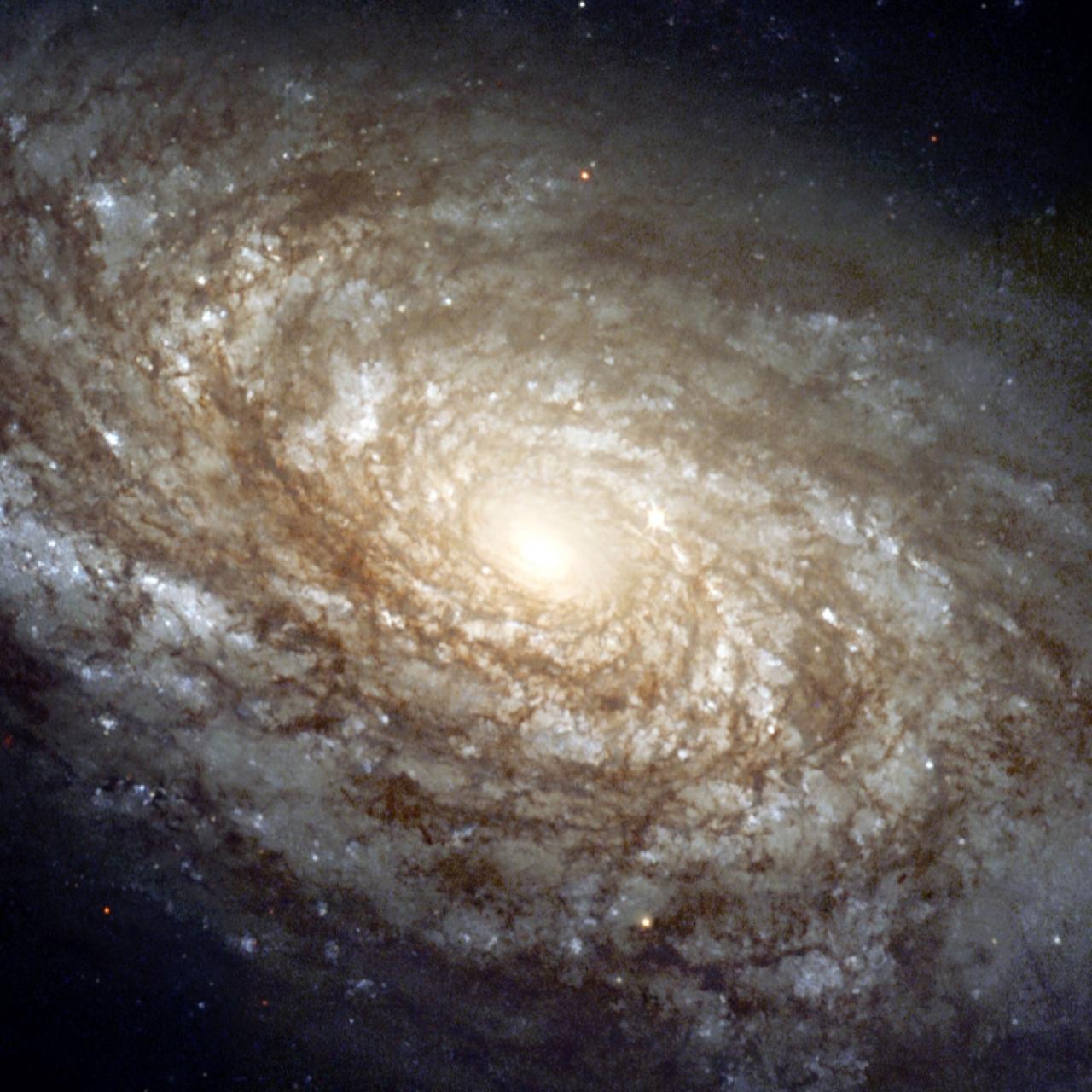
Looking Back in Time
A fascinating consequence of using light-years is that it allows us to "look back in time." Because light takes time to travel, when we look at an object that is far away, we are seeing it as it was in the past.
For example, when we look at the Andromeda Galaxy (2.5 million light-years away), the light hitting our eyes today actually left that galaxy 2.5 million years ago. We are seeing the galaxy as it was when early human ancestors roamed the Earth, not as it is right now.
How Does it Compare to Other Units?
Astronomers use other units for distance as well. Here are the most common conversions:
- 1 Parsec (pc) ≈ 3.26 Light-Years (A parsec is another popular unit in professional astronomy).
- 1 Light-Year ≈ 63,241 Astronomical Units (AU) (An AU is the average distance from the Earth to the Sun).
The Key Takeaway
The light-year is an essential tool for astronomers, turning incomprehensible distances into manageable numbers. It's a fundamental unit of distance that cleverly uses the constant speed of light as a measuring stick, which also has the amazing side effect of letting us peer into the deep past of the universe.
Need to convert light-years to kilometers, parsecs, or any other unit of length? Find all the powerful and easy-to-use conversion tools you need right here at changeunit.com!